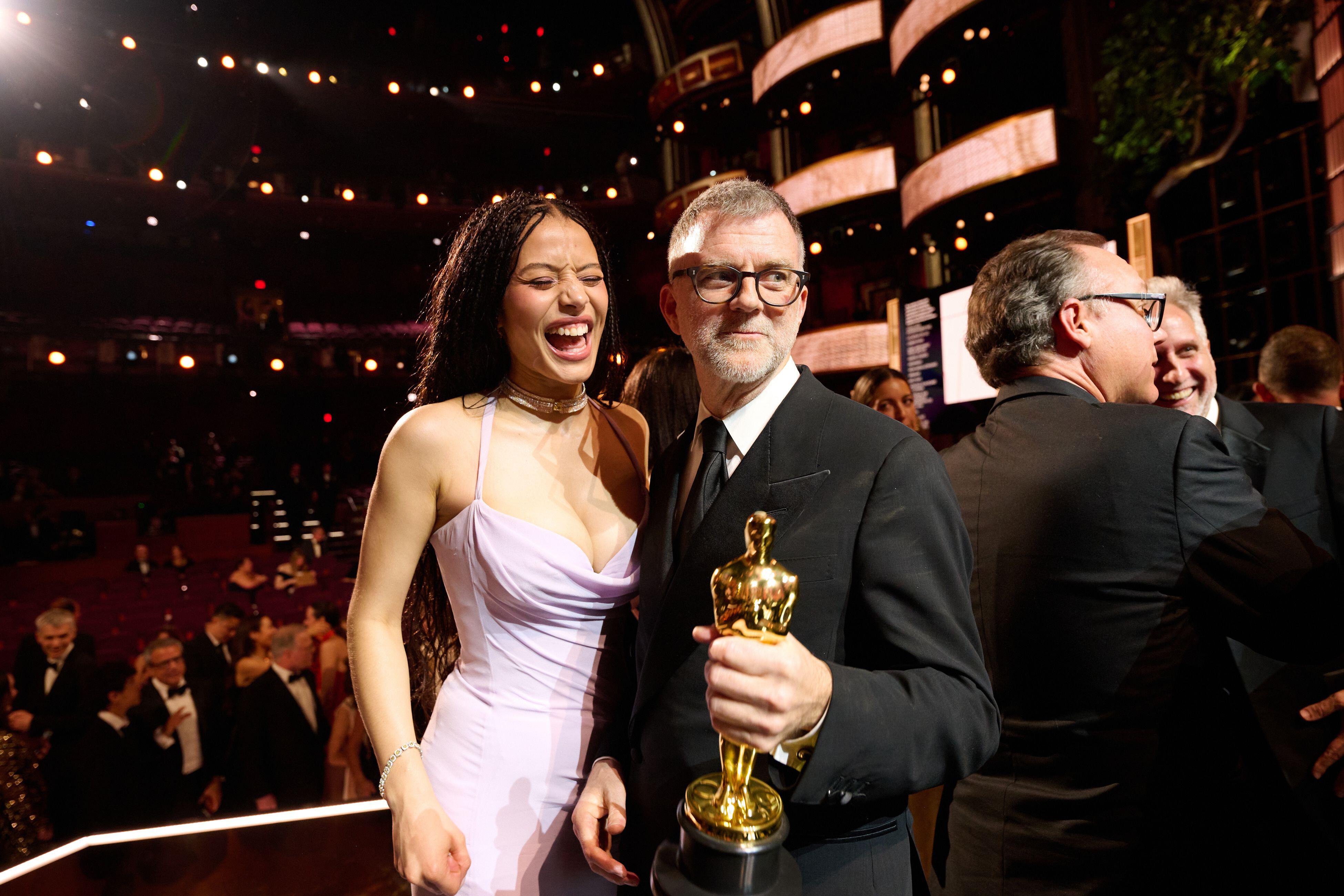
The Met Gala: A pressure test for brand partnerships

Sean Akaks
Key Takeaways
- The strongest celebrity-brand partnerships are built long before the red carpet through intentional sequencing and repeated visibility.
- By the time Met Gala speculation begins, talent pricing and cultural momentum have already shifted.
- Most media impact comes after the event through fan accounts, creators, and media commentary.
- Cultural sponsorships now carry political and reputational risk alongside visibility and reach.
- Brands planning for future cultural moments should start building relationships with emerging talent now.
Every May, the Met Gala concentrates an unusual amount of attention into a single night. For brands, that attention can look like opportunity—global visibility, cultural relevance, and proximity to the most in-demand talent in the world. In practice, it's a pressure test with little room for error. And most brands aren't prepared.
With the theme "Costume Art," this year's Met Gala had some stand out brand partnerships. One was a getting-ready video from Doja Cat with Ray-Ban Meta, MAC Cosmetics, and Saint Laurent. An aged Bad Bunny, dressed in collaboration with Zara, drove similar intrigue, and marked the mass-market retailer’s red carpet debut. And Beyoncé's return after a ten-year absence—arriving in custom Olivier Rousteing alongside Jay-Z and a Blue Ivy making her own Met debut—generated the kind of cultural moment that brands spend years trying to create.
Much of the hype around the Met Gala happens the night of, of course. But just as valuable is the content that occurs online after. In 2025, the Met Gala generated $1.3 billion in media impact volume for fashion brands in the first 48 hours. Nearly 77% of that figure was driven by third parties: media outlets, fan accounts, creator commentary.
Most of the value was created by how the market responds to the looks. That matters more than most brands realize when they're planning their Met strategy.
Before the carpet, the market has already decided
By the time the carpet rolls out, audiences have already formed opinions on what’s trending. Speculation plays out over months—rumored attendees, confirmed invites, first-timers. What looks like entertainment coverage is actually a signal of cultural momentum.
This year, more than 30 celebrities attended as first-timers—many of them having spent the past year defining culture in ways that made their Met debut feel inevitable. Chase Infiniti, who broke through as Willa in One Battle After Another, arrived in custom Thom Browne. Bhavitha Mandava, who has become the face of Matthieu Blazy's new vision for Chanel, made her entrance in the house.

For CMOs, this cycle has direct commercial implications. The moment names start circulating in Met speculation, their partnership rates begin to rise. By the time they're confirmed on the guest list, the market has already adjusted, and by the time they're on the carpet, you're paying a premium. Treat the rumor list as a pricing signal.
On the carpet, the relationship gets evaluated
While the Met Gala might seem like the perfect place to introduce a partnership, it's really a moment where existing ones get stress-tested. The strongest pairings are the ones where the talent and the brand are authentically aligned, and where the carpet is the apex of something already built.
Connor Storrie's debut is a clean example of sequencing done right. The Heated Rivalry breakout had already made several Saint Laurent appearances—iincluding on Saturday Night Live—before being announced as a brand ambassador in January. By the time he walked the carpet in a custom Saint Laurent suit, audiences were well-versed in the partnership.That sequencing is what creates the echo—the fan accounts, creator reactions, and media coverage that collectively drove the majority of MIV responded to whether the relationship feels real.
Bad Bunny and Zara worked for a different reason. His look—a custom tuxedo referencing a 1947 Charles James gown from the Costume Institute's permanent collection, paired with prosthetic aging makeup—did three things at once: it epitomized the "Fashion is Art" dress code, extended an existing Inditex/Zara partnership from his Super Bowl Halftime Show, and generated a stunt creative enough to stand on its own. For a retail brand like Zara, that combination is rare.

Doja Cat, a member of the host committee, ran perhaps the most architecturally sophisticated campaign of the night. Her Saint Laurent look, MAC Cosmetics makeup, and Ray-Ban Meta campaign—each with its own dedicated press cycle—stacked into a single 24-hour news window. The Met appearance rode the momentum of Ray-Ban Meta's global "You Ain't Seen Nothin' Yet" campaign (which SonderCo worked on), where Doja Cat and fellow host-committee member Teyana Taylor donned smart glasses. So far, the multi-touch, multi-vertical campaign appears to be generating some echo. The video shared on Doja Cat’s Instagram has amassed more than 5.7 million views in less than 24 hours after the event.
Limits of sponsorship
In broad terms, Saint Laurent was the night's structural winner. They were the official fashion sponsor, with creative director Anthony Vaccarello co-chairing the host committee, and featured a roster that included Madonna, Doja Cat, Charli XCX, Kate Moss, and Rosé. But even maximum sponsor leverage couldn't guarantee the carpet's buzziest moment. Beyoncé, a co-chair who had been pre-dressed by Saint Laurent in the lead-up, ultimately walked in Rousteing. Co-chairs protect their personal designer relationships. That's a lesson in the limits of pay-to-play, and a reminder that the most iconic moments tend to belong to the talent.

That wasn't the only tension of the night. This year's record $42 million fundraising haul came with an asterisk: Jeff Bezos and Lauren Sánchez served as honorary chairs and lead sponsors, and the backlash was immediate. Protesters gathered outside the Met, celebrities posted their objections online, and several high-profile names (Zendeya, Meryl Streep) stayed home. The optics were hard to ignore: fashion's most gilded night was being underwritten by one of the world's most polarizing billionaires, while activists papered the city with "Boycott the Bezos Met Ball" posters. For brands, it's a useful reminder that cultural sponsorship now carries political risk. The visibility was real. As was the noise around it.
One night that reveals the year
The partnerships that will convert in the months ahead are the ones grounded in genuine alignment, built through sequencing across the broader cultural calendar, and activated by talent whose audiences already believe in them.
For marketers thinking seriously about 2027, the work starts now. That means identifying which emerging artists and athletes are beginning to surface. It means auditing current partnerships for alignment, finding the story that your brand and that talent can tell together. And it means mapping the full calendar arc—awards season, fashion weeks—so that by the time next May arrives, the Met is the crescendo of something already built.
At SonderCo, we help brands identify, build, and activate the partnerships that hold up when it matters most. If you’re thinking about how talent fits into your strategy—whether that’s around the Met Gala or the broader cultural calendar—we’d love to talk.
.png)