.png)
When brands become entertainment: a framework for getting it right

Sean Akaks
Key Takeaways
- Brands entering entertainment inherit studio-level risk without studio infrastructure
- The strongest partnerships treat creators as collaborators, not spokespeople
- Entertainment rewards conviction and speed more than polish or scale
- Hollywood consolidation has created an unusual window of opportunity
As attention shifts to feeds, platforms and creators, brands are stepping closer to the center of creation. They’re funding projects, building internal content teams, and experimenting with formats that look more like programming than advertising.
Which raises a question: can brands pull this off? Better yet, how can they pull it off well?
When brands act like studios, they inherit studio-level risk, often without studio-level infrastructure or creative permission. Entertainment demands speed and tolerance for uncertainty. Brands, by contrast, are often built for governance, approvals, and risk mitigation.
Not every organization is equipped for that trade-off. Even the well-funded ones.
Entertainment is evolving
For decades, entertainment followed a simple pattern: studios made it, brands sponsored it, and audiences watched it. Today, there are fewer “middle-class movies” being made. Consolidation across Hollywood between studios, streamers, and agencies has led to fewer buyers and slower decisions. And when optionality inside the system shrinks, other opportunities arise.
Brands, seemingly, have capitalized on that opportunity.
A few recent signals:
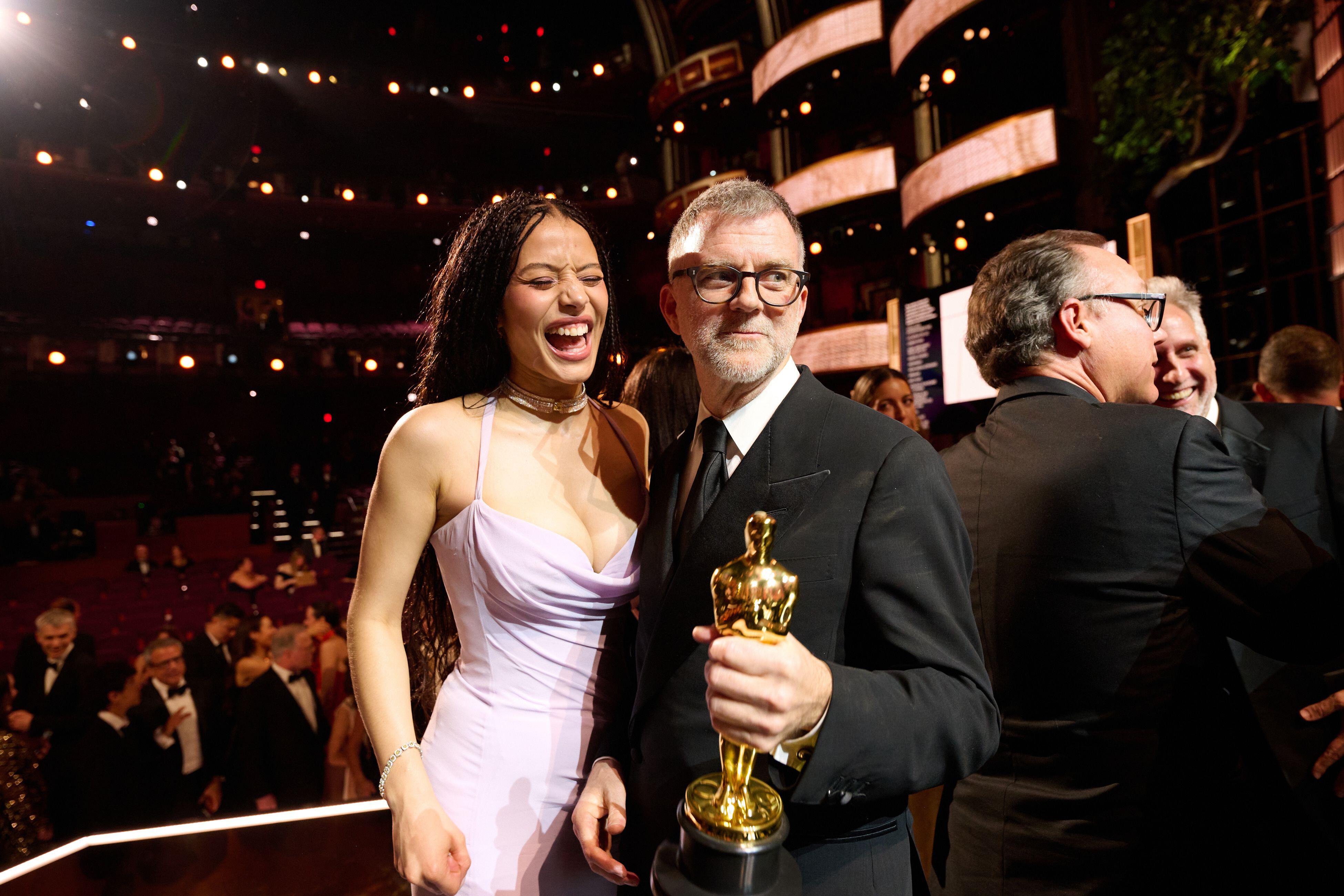
In June 2024, Starbucks announced a partnership with Sugar23 to launch an in-house content division focused on original entertainment, films, and documentaries. Saint Laurent Productions became the first fashion house to produce films, winning Oscars with its “Emilia Perez”. Fried chicken purveyor Chick-fil-A is even programming its own reality TV.
Then there’s Gap. It recently hired former Hollywood executive Pam Kaufman into a newly created role—Chief Entertainment Officer—and opened an office on Sunset Boulevard to be closer to the entertainment ecosystem.
Why brands are in the conversation
We’ve seen this cycle before.
In the 1930s, Procter & Gamble effectively created the modern soap opera through its sponsored radio serial dramas. At the time, brands were shaping, owning and distributing content. Brands and programming were inseparable.
Over time, broadcast television and Hollywood studios took over that role, centralizing cultural relevance and pushing brands to the margins as sponsors. Now, the model is bending back again. (Fittingly, P&G recently announced it’s reviving the old formula with short-form “micro-soaps” designed for mobile.)
What’s different this time is who brands are being built around. Creators, athletes, and cultural figures who intuitively understand audience, platforms, and relevance. The Kim Kardashians and Tom Bradys of the world don’t need marketing departments to explain how attention works. They live inside it.
Brands are also coming to terms with something uncomfortable but necessary: it’s harder to generate the exposure or cultural fluency they need on their own anymore. Growth increasingly requires turning outward to partners who already have trust and distribution capabilities.
A framework for brands evaluating entertainment
Not every brand is destined to become an entertainment company.
At SonderCo, we’ve developed a framework to pressure-test whether entertainment is the right move for a brand, and if so, how to approach it without defaulting to old marketing instincts. For the brands considering it, here’s a few questions worth answering.
Are you thinking in story arcs or campaigns?
Entertainment doesn’t work as a one-off. It requires formats, characters, seasons, and a whole lot of patience. Stories compound over time. Campaigns usually don’t. If the goal stops at a moment, the output will feel like marketing. If it extends into arcs and continuity, it starts to earn attention.
Are you looking for a partner or spokesperson?
The difference between renting attention and building usually comes down to structure. The strongest partnerships treat creators as collaborators, not mouthpieces. When both sides are invested in building something together (rather than extracting value from one another), the work tends to travel further and last longer.
Consider the Solo Stove and Snoop Dogg partnership. By leaning into Snoop’s cannabis-friendly persona and announcing he was “quitting smoke,” they created a viral cultural moment.
Do you understand where culture lives now?
Culture doesn’t break in theaters or on primetime TV the way it once did. It breaks in feeds. Where something lives, how it’s consumed, and how it enters conversation matter as much as the idea itself. Spotify Wrapped works because it’s designed for participation and sharing. Brands exploring entertainment need to think about format as deliberately as they think about message.
Does the partnership create genuine connection or feel forced?
Partnerships with staying power tend to share one thing: genuine involvement. When creators actually care about the category and are meaningfully engaged beyond a post, audiences can tell. Shared values and aligned ethos matter here. If a project is just a media buy with better packaging, audiences will see through it. Credibility is hard to earn back once it’s gone.
Are you built for this?
To make this work, brands need to have the infrastructure for it.
Storytelling doesn’t behave like a campaign. It invites interpretation, and sometimes backlash. Anyone working in entertainment is built for that. They expect criticism and moments that don’t always land. Generally, they operate with faster approvals and the flexibility to respond to moments as they happen.
Brands stepping into entertainment need to be honest about whether they can work the same way. That means reducing some bureaucracy and empowering teams to move quicker.
The window is open
This moment feels unusually open.
With large studios distracted by consolidation and cost-cutting, talent is more open to alternative paths. It’s also becoming clear that audiences are more willing to engage with new forms of storytelling.
That creates opportunity for brands, particularly the ones with a challenger mindset that are willing to operate differently than Hollywood incumbents.
Entertainment rewards conviction and speed more than polish or scale. The brands that move with intention are the ones most likely to turn this opportunity into something sustainable.