Why some brands are betting on rising stars

Sean Akaks
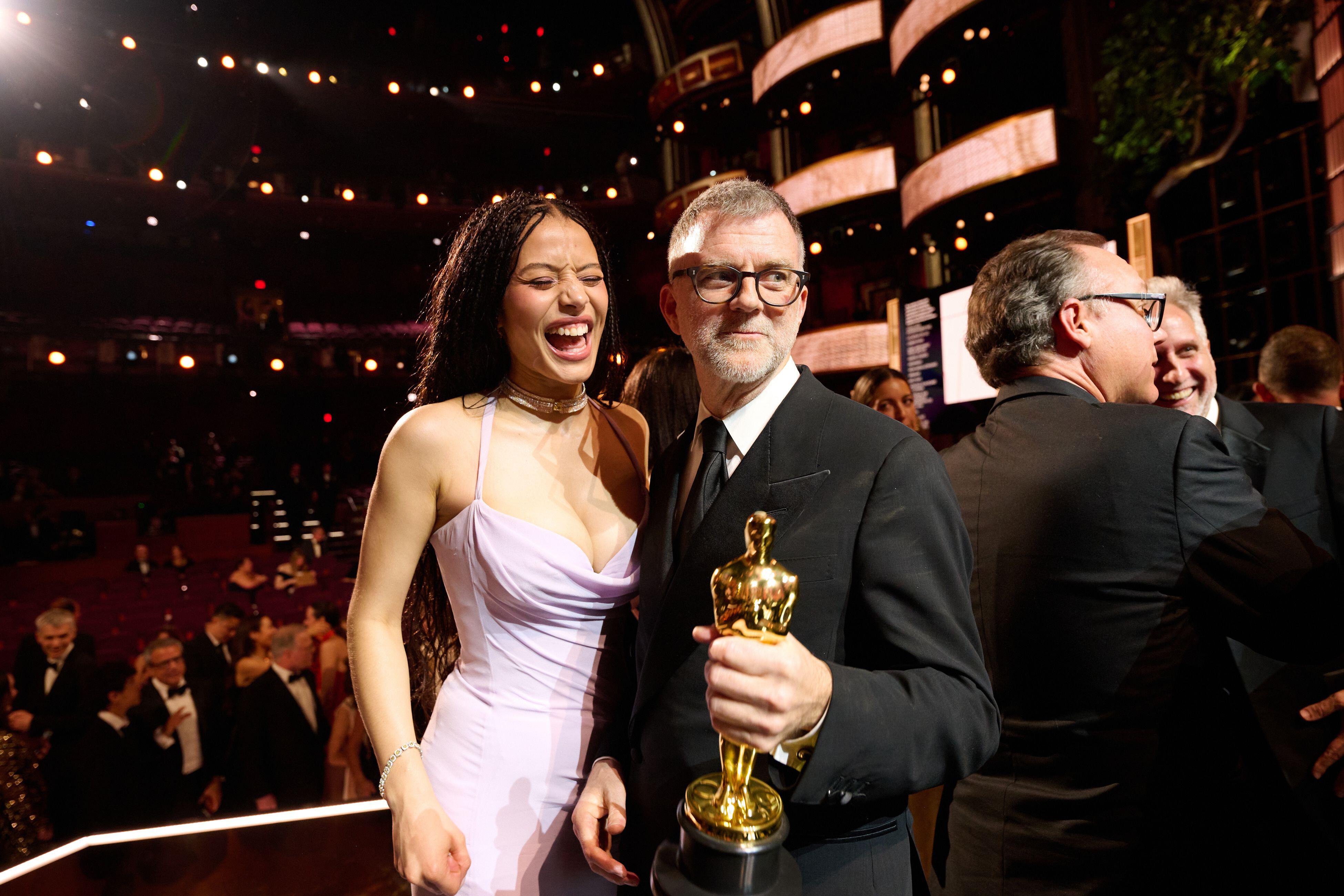
Last Sunday, the Oscars brought another awards season to a close. For brands paying attention, it also signaled the arrival of Hollywood’s next breakout talent.
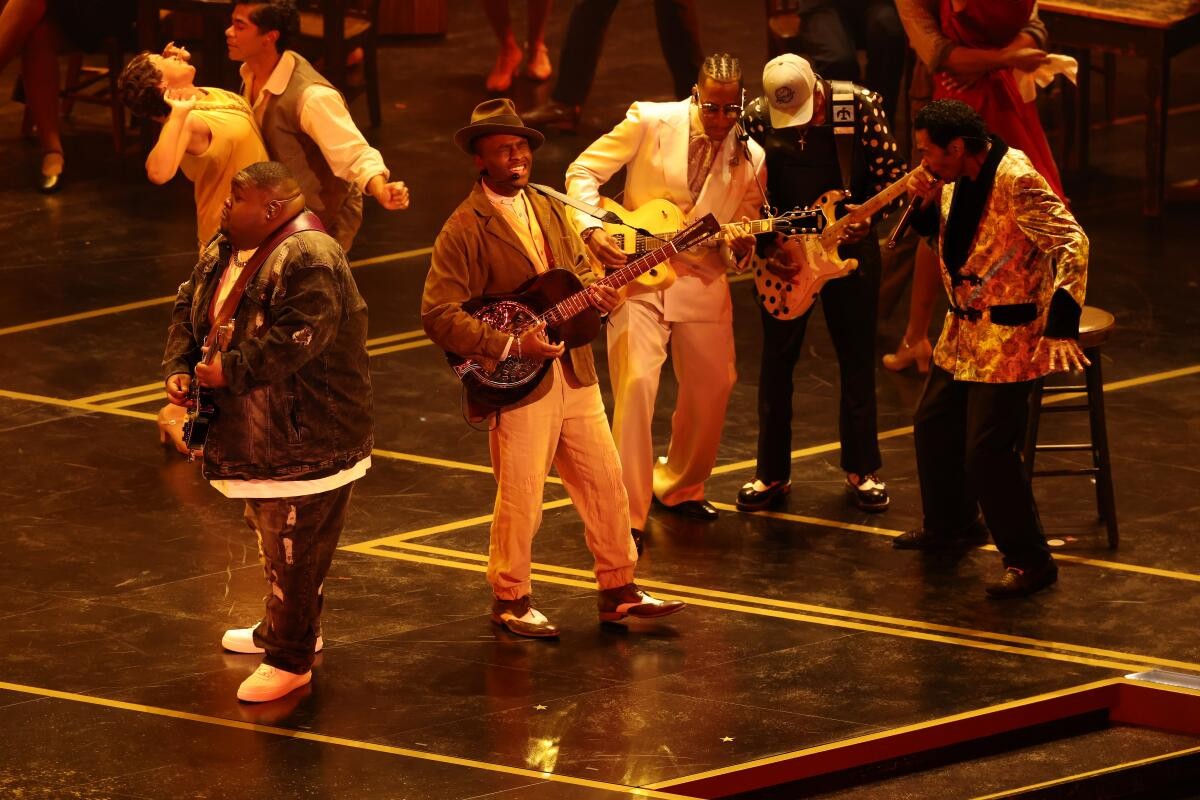
One of the night’s defining moments belonged to Miles Caton, a complete unknown before appearing in Sinners. Caton performed live on the Oscar stage alongside Shaboozey, Brittany Howard, and Misty Copeland — a performance many viewers called the best moment of the night. In a single season, Caton went from relative obscurity to one of the most talked-about moments of the ceremony.
Chase Infiniti, Best Actress nominee, emerged as another breakout. When Paul Thomas Anderson accepted Best Picture, he called Infiniti “the heart of this movie” — instantly making her one of the most searched names of the night.
Awards season tends to follow a familiar pattern: brands circle the same constellation of recognizable A-listers, hoping to attach themselves to the buzz surrounding Hollywood’s biggest night.
It’s easy to see why. The Oscars remain one of the few entertainment events that concentrates global attention in a single evening.
For brands looking to participate in that attention, aligning with a familiar face can feel like a smart, safe move. But the most interesting — and often the most valuable — opportunities during awards season rarely belong to the celebrities everyone already knows.
Breakout talent brings momentum
Each year, a handful of actors move from relative obscurity to the center of the cultural conversation. A festival premiere sparks early buzz. A performance begins dominating social media. Media outlets publish the inevitable “Who is this?” profiles. Within weeks, a new name seems to be everywhere.
For audiences, the experience is one of discovery. For brands, it’s a moment that is surprisingly easy to miss. While established celebrities bring recognition, breakout talent brings something different during awards season: cultural momentum.
Breakout moments tend to follow a recognizable pattern. The attention surrounding a rising actor is driven as much by narrative as it is by performance. When audiences encounter a breakout role, curiosity quickly follows. People want to understand the story behind the performance — where the actor came from, how long they’ve been working, and what led them to this moment.
That curiosity fuels a wave of media coverage, social conversation, and cultural attention that can last for months. For the brands that recognize that moment early, that momentum creates a very different kind of partnership opportunity.
Take Mikey Madison’s awards-season rise for Anora. Before most audiences knew her name, fashion houses were already taking notice. Chanel dressed Madison during the film’s Cannes premiere, where Anora received a 7.5-minute standing ovation and ultimately became the first American film in more than a decade to win the Palme d’Or. In every wire image from that moment, Madison was wearing Chanel couture, placing the brand alongside the very first wave of global attention surrounding the film.
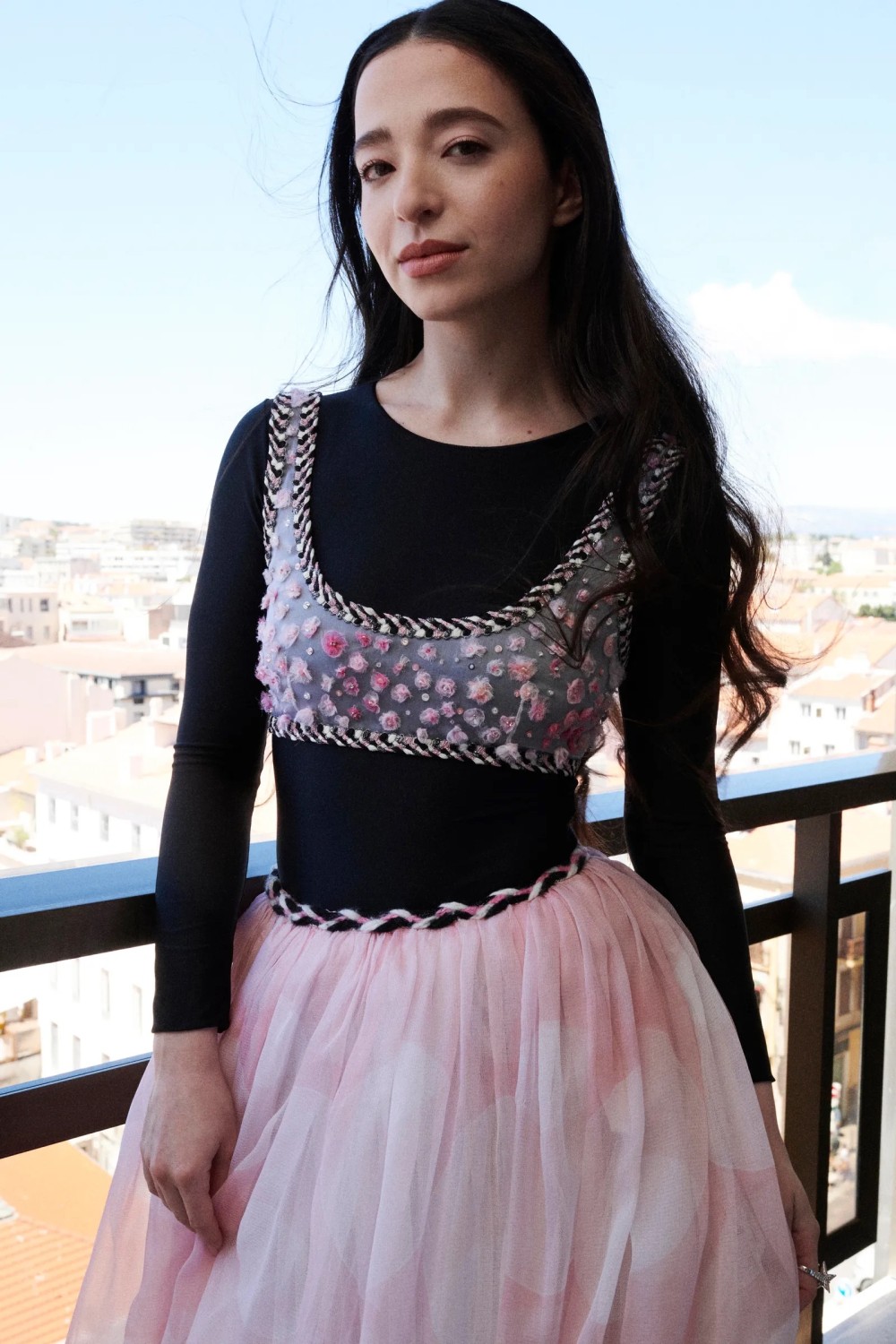
Later in the season, Tiffany & Co. began seeding jewelry during Madison’s early festival and red-carpet appearances before formalizing an ambassador relationship while she was still an Oscar nominee. By the time the brand’s campaign launched the following spring, Madison’s profile had accelerated dramatically.
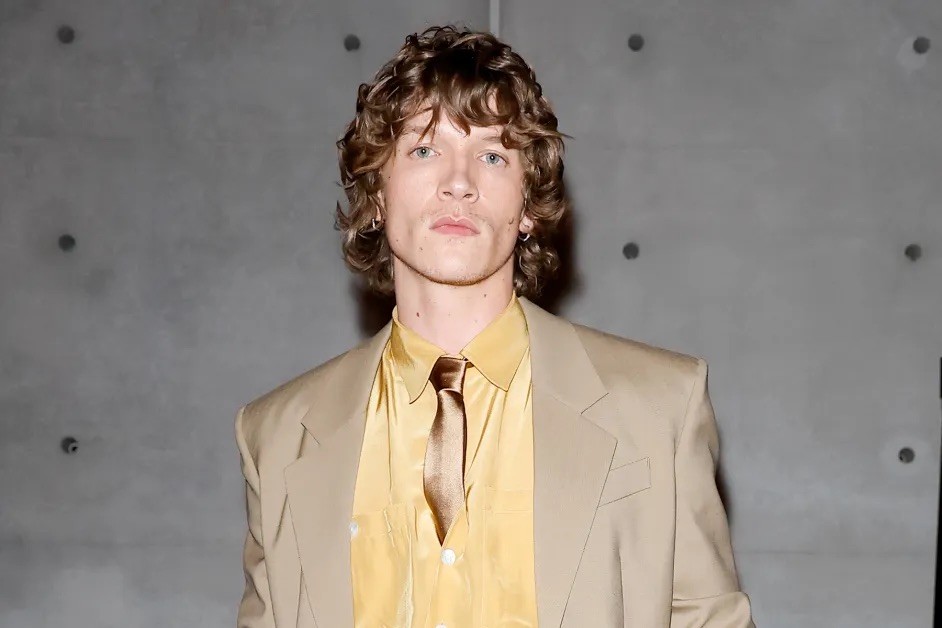
Streaming series now produce breakout stars at a similar pace HBO Max’s Heated Rivalry offers a recent example. The show’s audience soared during its first season. Its two leads, Hudson Williams and Connor Storrie, had been working as waiters shortly before the show premiered. Within weeks they signed with major talent agencies and began appearing on awards-season red carpets.
Luxury brands quickly recognized the moment. Bvlgari placed Williams in jewelry for the Golden Globes, where the actor’s necklace connected to a snake tattoo that was already a part of his personal story. The result was a wave of earned media coverage highlighting both the look and the narrative behind it. Saint Laurent moved quickly with Storrie, naming him an ambassador early in the show’s rise and later extending the partnership with a high-profile appearance when he hosted Saturday Night Live.
A clear pattern emerges. Luxury houses and jewelry brands often move first on emerging talent. Their businesses are built around trends and cultural association, which makes them particularly attuned to moments of discovery.
That leaves a wide-open field for consumer brands, technology platforms and sports companies that could benefit just as much from aligning with breakout talent during the window when cultural attention is building fastest.
Turning breakout moments into long-term partnerships
This year’s Oscars offered a real-time example of how that dynamic plays out.
For Miles Caton and Chase Infiniti, the next several weeks will likely include global press as audiences rush to learn more about them. The brands that appear alongside that rise will benefit from the same wave of cultural attention.
Louis Vuitton dressed multiple figures connected to the evening’s biggest wins. Chanel had a similarly strong presence, dressing Best Actress winner Jessie Buckley as well as Teyana Taylor, who appeared on stage celebrating Best Picture alongside the cast. De Beers placed a 57-carat diamond on Chase Infiniti before most audiences knew her name.
In doing so, they were placing early bets.
The most effective partnerships are structured with the understanding that an actor’s profile evolves quickly after a breakthrough moment. Instead of one-off appearances tied to awards season, brands that think long-term create partnerships designed to grow alongside the artist as their career evolves.
That approach comes with a degree of uncertainty. Early momentum doesn’t always translate into sustained stardom, and emerging talent carries the same reputational considerations as any public figure.
But those risks can be managed through thoughtful partnership structures, and the upside can be considerable. When a brand aligns with talent before the market catches up, it gains something difficult to replicate later: proximity to the moment when audiences first begin paying attention.
At SonderCo, we’ve seen the impact of that timing firsthand. Ahead of her recent awards-season recognition, we partnered with Teyana Taylor on a campaign with Meta, collaborating early in the wave of attention surrounding her performance. The campaign, which also included Doja Cat, launched in November 2025 during the early buzz surrounding One Battle After Another. By the time the broader cultural conversation caught up, the partnership was already part of the story.
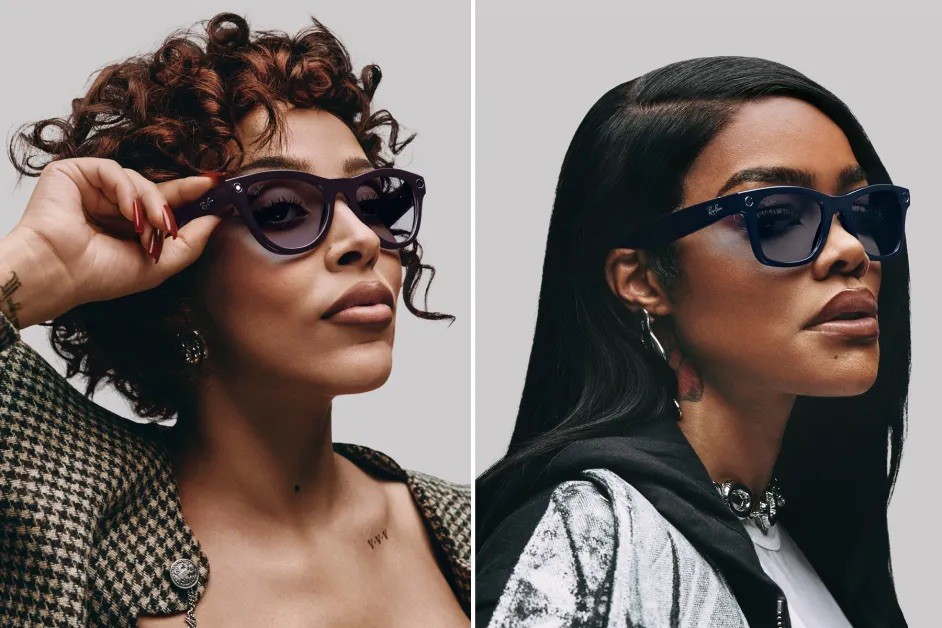
The lesson from that campaign was evident: breakout moments create a different kind of cultural energy. When brands align with talent just before that inflection point, they don’t just participate in the conversation, they become part of the story of how that artist arrives.
Even the acceptance speeches reflected that theme. During his remarks, Michael B. Jordan thanked the people who had “bet on me,” acknowledging those who believed in his work before the industry fully caught up.
The Oscars will always celebrate established actors and celebrities. But every awards season also reveals the next breakout talent. For brands paying attention, the real opportunity isn’t the celebrity everyone already knows, it’s the one audiences are just beginning to discover.


.png)